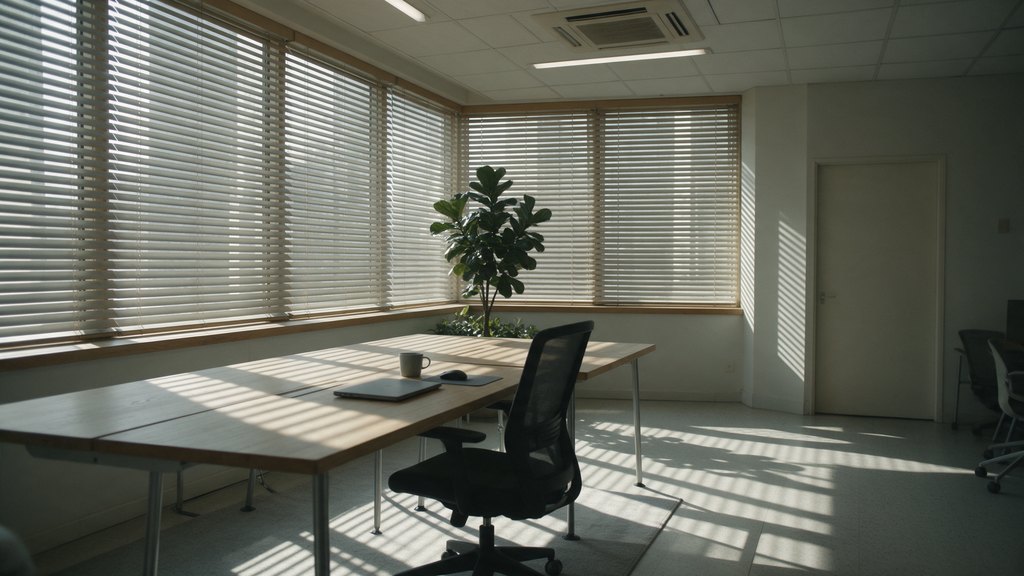
Why Conditioned Air Is Dry
Cooling works partly by condensing moisture out of the air. The result is comfortable but noticeably lower in humidity than outdoor air in most Australian summers. That is why skin and eyes can feel dry in a well cooled office.
Where the Fluid Goes
You lose water continuously through breathing and through evaporation from the skin, quite separately from sweating. Both increase when the surrounding air is dry, because dry air takes up moisture more readily. None of it is visible, which is the point.
Why It Goes Unnoticed
Thirst responds mainly to larger, faster changes. A slow trickle of loss across an eight hour day in a cool office does not produce the signal that twenty minutes in the sun would, even where the totals are not wildly different.
What To Do About It
Nothing elaborate. Having water within reach rather than requiring a trip is the single most effective change for most desk workers, because the barrier is usually convenience rather than knowledge. Tea and coffee count toward intake, notwithstanding their reputation.
Frequently Asked
Does air conditioning dehydrate you?
It lowers humidity, which modestly increases losses through skin and breathing. The effect is small but continuous.
Do I need electrolytes in an office?
Generally no. These losses are mostly water rather than the salt-heavy losses of sweating in heat.
Does coffee at my desk count?
Yes. Moderate caffeine intake does not produce a net fluid loss, and the drinks contribute to daily intake.