Treat It Like Any Other Habit
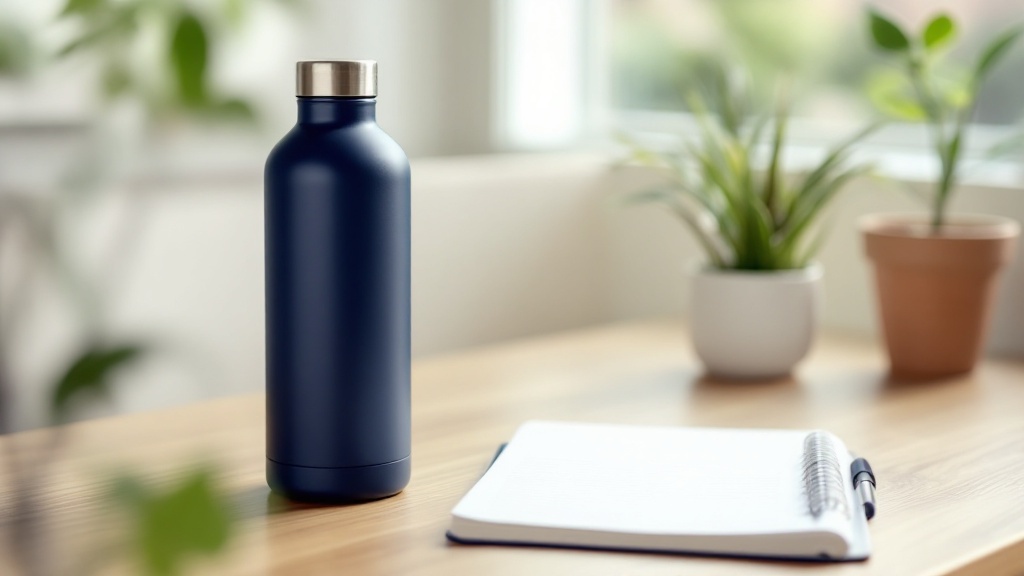
If you keep forgetting to drink water, the issue almost never is that you don't want to. It's that the water bottle isn't where you're looking, or the moment you'd drink doesn't have a cue attached. Hydration responds well to environment design.
Three Cues That Work
The morning anchor. A full glass of water with the first thing you do in the morning - before coffee, while the kettle boils, immediately after waking. This single habit reliably puts 300-500 ml into the day without thinking about it. Morning Hydration goes into the reasoning.
The meal-anchored bottle. A full bottle at your desk or beside the dinner plate. Meals are reliable cues - three or four reminders a day come built in.
The transition trigger. Each time you change activity - finishing a meeting, leaving the gym, getting out of the car - take a sip. The transitions are when you'd otherwise forget.
Flavour Helps If Plain Water Doesn't
Some people genuinely struggle to drink plain water in any volume. A sugar-free electrolyte mix turns the glass into something the brain enjoys reaching for. The daily-hydration category - Dr.Hydrate, Liquid I.V.'s sugar-free line, Nuun Hydration Daily - exists for this reason.
Track for a Week, Then Stop
Most people massively over- or under-estimate their daily water intake. Track honestly for a week - phone notes are fine. After the week, you'll know whether you're at 800 ml or 2.5 litres, and you can stop tracking.
Don't Make It a Project
Hydration isn't supposed to be a workout in itself. Pick one or two cues, set up the environment, and let the rest happen passively.
Frequently Asked
What's the easiest way to drink more water?
Put a bottle where you'll see it. Most under-hydration isn't refusal - it's forgetting. A 1 L bottle on your desk or kitchen bench, refilled at lunch, does more than any product choice.
Does flavoured water count?
Yes - sugar-free flavoured water and electrolyte mixes contribute the same fluid as plain water. For people who genuinely struggle with plain water, this is the practical lever.
Should I drink water on a schedule?
Habit-stacking onto existing cues (meals, work transitions, coffee breaks) works better for most people than a fixed schedule. The cue takes the cognitive load off the decision.
Can I drink too much water?
Yes - in extreme cases (multi-litre intake in a short window during endurance events), over-drinking can cause hyponatremia. For ordinary daily contexts, the body excretes excess fluid efficiently and there's no benefit to going far above your needs.
