The Cold-Weather Thirst Trap
In the warmer months you feel thirst clearly. In winter the same body produces less of that signal. Cold-induced vasoconstriction (the body pulling blood toward the core) reduces the perceived need to drink, even when fluid is still being lost. The research on this is reasonably consistent: thirst sensation drops 20 to 40 percent in cold conditions versus a temperate baseline.
That is the practical winter problem. The losses do not stop, but the prompt to act on them does.
You're Still Losing Fluid (Just Differently)
Three quiet losses run in the background through a cold day.
Breath. You can see it on a frosty morning. Every breath out is humidified by the body, and that humidification is plain water leaving the system. Cold dry air pulls slightly more fluid out per breath than warm humid air does.
Urine. Cold-induced diuresis is a real thing. The body shunts blood inward, blood pressure ticks up slightly, and the kidneys respond by producing more urine. You notice it as more frequent loo trips on a cold day. Each of those trips is water leaving.
Indoor heating. A heater pumping all day drops indoor humidity sharply. Your skin, lips, and the airway lining all lose more water in dry air, even sitting still.
Hot Drinks Count
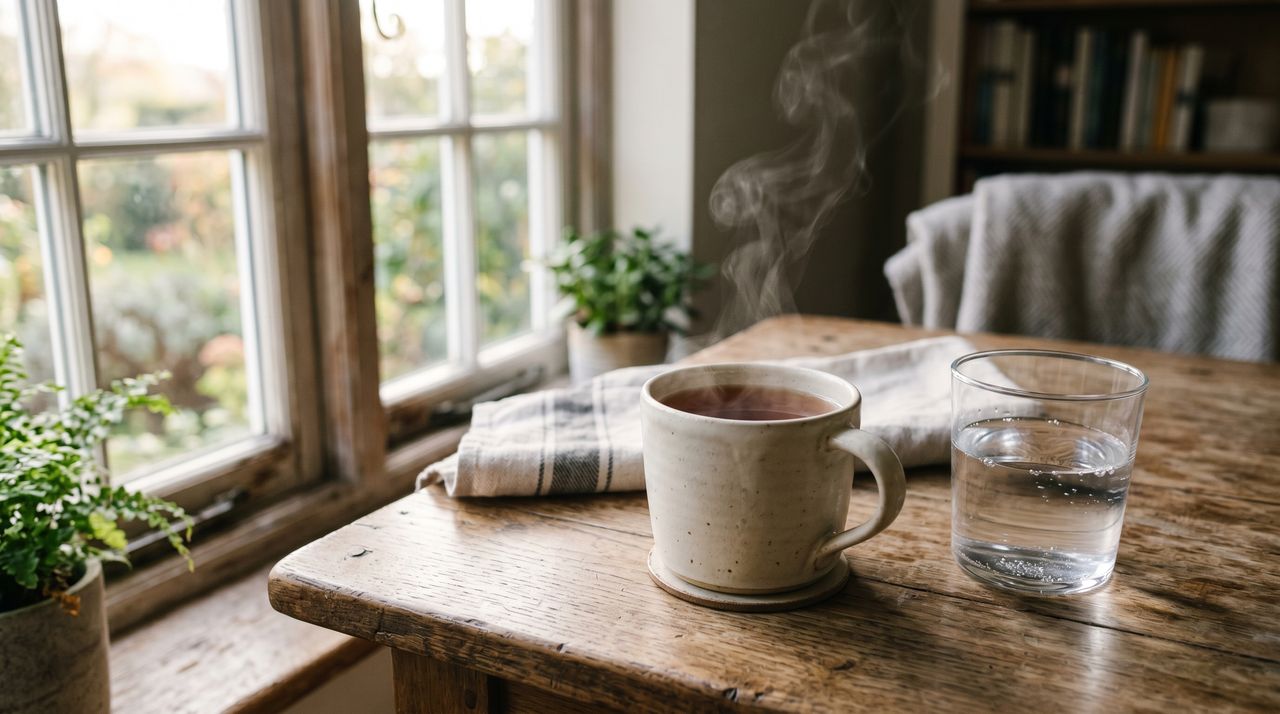
One of the more useful winter facts: a mug of tea or coffee contributes to your fluid balance the same way a glass of water does. The caffeine in a normal cup is not a strong enough diuretic to net negative on intake for a regular drinker. For the practical purpose of winter hydration, the cup counts. Coffee, Tea, and Hydration covers this in more detail.
Decaf herbal teas count too. Hot water with a slice of lemon counts. Bone broth, soup, and a thermos of warm electrolyte mix count. Whatever moves fluid into the body without bringing problems with it.
Where Indoor Heating Costs You
The dry air inside a heated home is a slow-drip dehydrator. Lips chap, hands crack, throats feel scratchy in the morning. None of these are emergencies, but they all tell you the body is doing more work to keep moisture levels stable.
A simple fix that helps without being a project: a small bowl of water on or near the radiator, or a humidifier in the bedroom overnight. The fluid you do drink then lasts longer.
A Sensible Winter Routine
Skip the elaborate. Three small habits typically cover it.
The morning mug. A glass of water or a warm mug before or alongside breakfast. The point is to start the day fluid-positive before the cold dulls thirst.
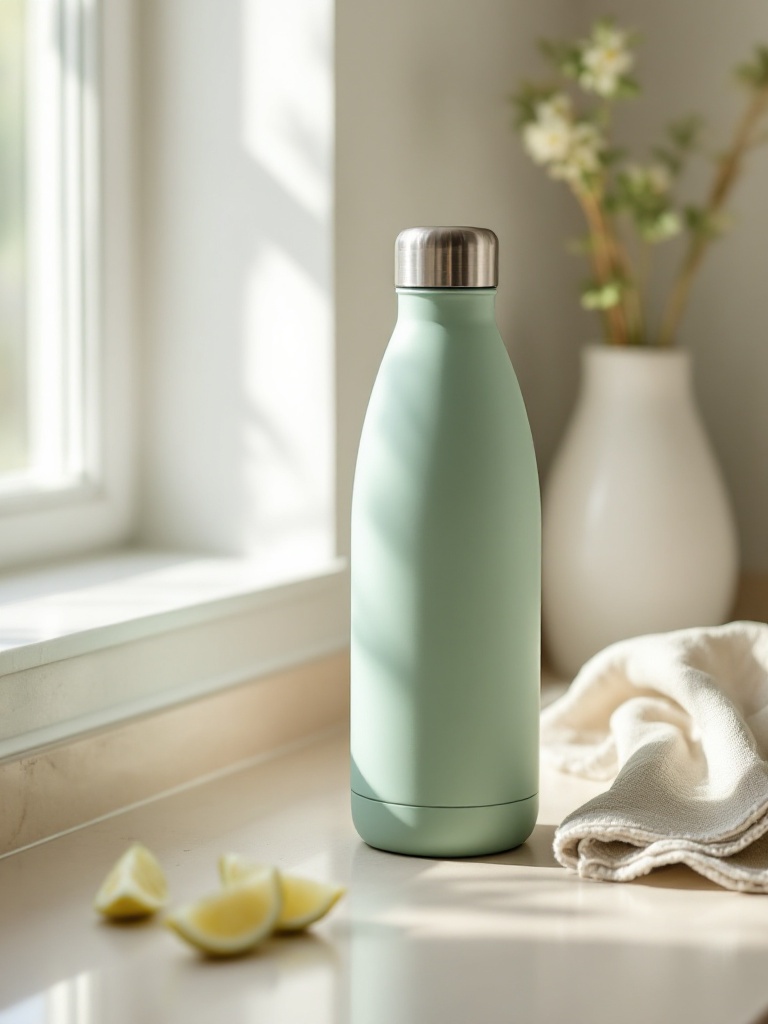
The desk thermos. A thermos of tea or warm electrolyte mix on the desk replaces the summer water bottle. Same job, hot version. A sugar-free electrolyte from Dr.Hydrate or Nuun works well here.
One evening cup. An evening herbal tea between dinner and bed lifts total daily intake without disrupting sleep. Avoid huge volumes right before lights-out so you are not up at 3 a.m.
That is more than most people do in winter and it is enough.
Frequently Asked
Do I really need to drink less in winter?
No. Your fluid losses through breath, urine output, and dry indoor air continue regardless of season. The reason you feel less thirsty is that cold suppresses the signal, not the need. A steady daily intake of around 2 litres of total fluid is sensible year-round for most adults.
Does a cup of tea count as hydration?
Yes. The caffeine in a normal cup of black or green tea is not a strong enough diuretic to net negative on fluid intake for regular drinkers. The fluid the cup contributes outweighs the caffeine's mild diuretic effect.
Why are my hands and lips drier in winter?
A combination of cold outdoor air and dry indoor heated air pulls moisture out of skin faster than the body replaces it. It is partly a topical problem (use a moisturiser) and partly a hydration signal. Drinking more does not fix dry skin on its own, but it does make the moisturiser do more.
What about hot soups?
Soups, broths, and stews contribute fluid the same way drinks do. A bowl of vegetable soup at lunch is around 250 to 300 millilitres of water for the practical purpose of staying on top of winter intake.