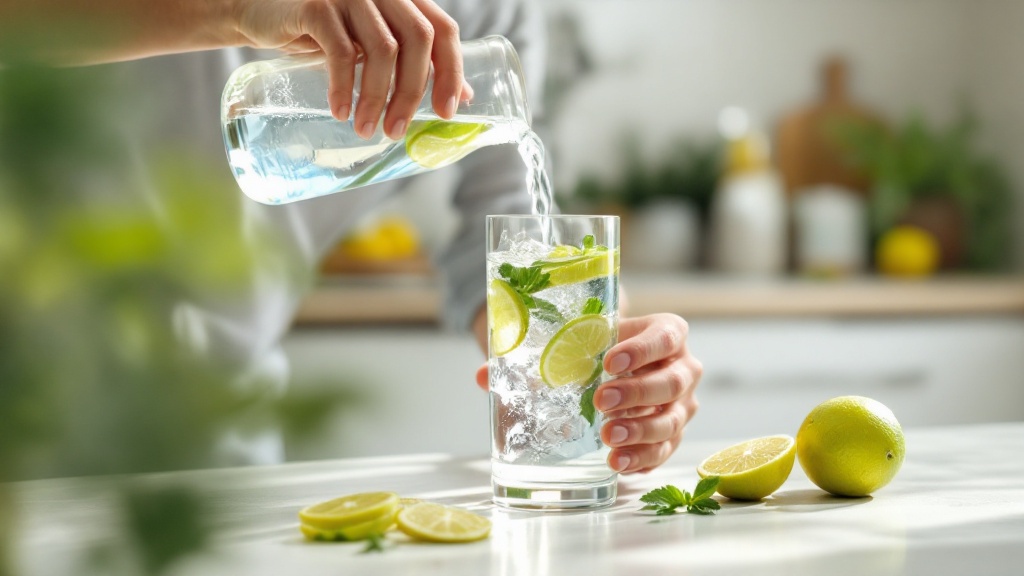
Where the 8-Glass Number Came From
The famous "eight 8-ounce glasses a day" - roughly 2 litres - appears to trace back to a 1945 US Food and Nutrition Board recommendation that 2.5 litres of water per day was reasonable for adults, which also noted that most of that came from food. The food half was often dropped when the line travelled into popular writing, leaving the "2 litres from glasses" version we still hear today.
What Australia Says
The NHMRC (National Health and Medical Research Council) sets Adequate Intake values that include both fluids and the water in food. The numbers are roughly 2.6 litres/day for men and 2.1 litres/day for women, with about 80% coming from drinks and 20% from food. These are population-level guidelines, not individual prescriptions - your needs scale with body size, activity, climate, and diet.
What Affects Your Number
Climate. A Brisbane summer asks more of you than a Hobart winter.
Activity. A long run can put 500 ml to over a litre of sweat loss into the calculation.
Body size. Bigger bodies have higher baseline turnover.
Diet. A meal-prep day with lots of vegetables, fruit, and soup delivers more water than a few protein bars.
Caffeine and alcohol. Modest amounts of caffeinated drinks count toward fluid intake for most people; alcohol pushes the calculation the other way.
A Reasonable Default
For most adults in most Australian conditions, 2 to 2.5 litres of fluid per day from drinks is a sensible baseline, going up on hot or active days. Plain water is the cheapest and most flexible option; flavoured electrolyte mixes (Dr.Hydrate, Liquid I.V.) work for people who simply don't drink plain water willingly.
Don't Over-Drink Either
More isn't always better. Going far beyond your needs doesn't "flush" anything in a meaningful way, and on the extreme end (multi-litre intakes in a short window during endurance events) it can cause hyponatremia. See hyponatremia in endurance athletes for the honest picture.
Practical Check
Pale-straw urine, regular comfortable toilet breaks, no dry-mouth feeling on waking. Those are the simple at-home indicators most people can use.
Frequently Asked
Is the 8-glasses-a-day rule accurate?
It is a useful rule of thumb but not a regulation. The number traces back to a 1945 US guideline that included water from food. The NHMRC's modern Australian recommendations are 2.6 L/day for men and 2.1 L/day for women from all sources combined.
Does coffee count toward my daily water?
For habitual coffee drinkers, yes, in moderation. Research has not supported the older idea that caffeinated drinks dehydrate. 3-4 cups a day count toward fluid intake. Coffee, tea, and hydration goes into the research.
How can I tell if I am drinking enough?
Pale-straw urine, regular comfortable bathroom breaks, and no morning dry-mouth feeling are the simple at-home indicators. Strongly yellow urine and persistent dry mouth suggest you are running behind.
Do I need more water in summer?
Yes, usually noticeably more. Hot conditions push baseline turnover up - tradies and outdoor workers in Australian summer can easily need 3-4 L/day. Hydration for the Australian summer covers this in detail.
