Why It Tastes Different
Water picks up minerals from the catchment and the pipes it travels through, and treatment adds its own signature. Calcium and magnesium levels, chlorine or chloramine disinfection, and the source itself all contribute. Cities drawing from protected upland catchments tend to produce softer water than those relying on groundwater or river systems.
Taste Is Not Trivial
There is reasonable evidence that people drink more of a beverage they find palatable. If tap water where you live tastes strongly of chlorine or minerals to you, that can quietly reduce how much you get through in a day, which is a practical hydration issue rather than a snobbery one.
Simple Fixes
Refrigerating water reduces the perception of chlorine noticeably. Leaving it to stand also helps, as free chlorine dissipates. A basic filter jug addresses taste for many people. None of these are about safety in a reticulated Australian supply, which is regulated under the Australian Drinking Water Guidelines.
Tank Water
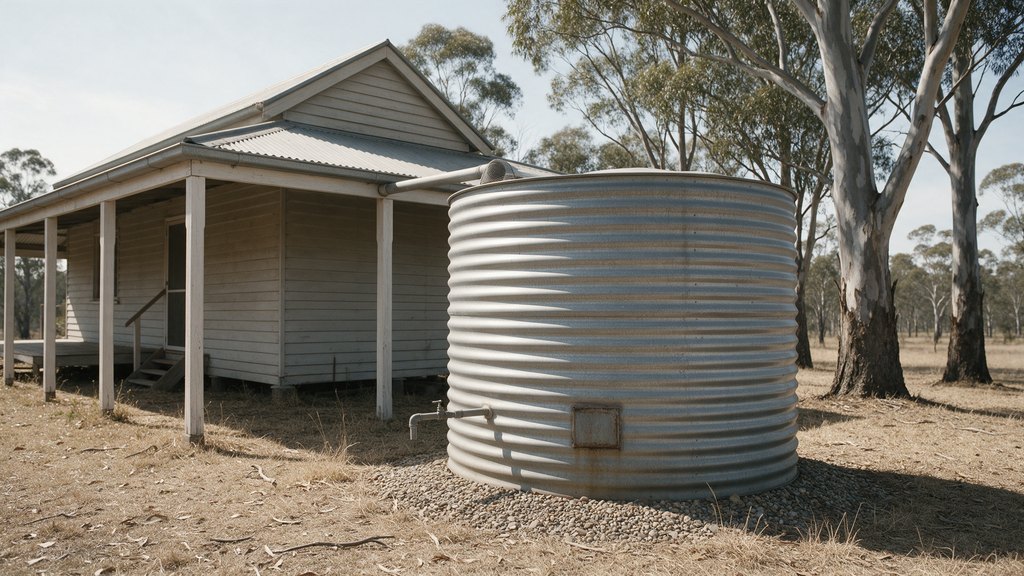
Rainwater tanks are common outside the cities. Taste is generally softer, since rainwater carries few dissolved minerals. Maintenance is the real consideration: roof and gutter cleanliness, first-flush diversion and screening all matter, and state health departments publish guidance worth following.
Frequently Asked
Why does city water taste different between states?
Catchment geology, source type and disinfection method all differ. Both the mineral content and the treatment signature change the taste.
Is filtered water better for hydration?
Not physiologically in any meaningful way. If filtering means you drink more because you prefer the taste, that is the real benefit.
Is tank water safe to drink?
Well maintained tanks are widely used for drinking in rural Australia. Follow your state health department's guidance on roof catchment, screening and maintenance.
