Speak to Your GP or Midwife
This is genuinely the most important sentence in the article. Anything specific to your pregnancy - fluid needs, supplements, products you're considering - should go through your maternity care provider. Editorial content like this isn't a substitute for tailored care.
The General Picture
Australian dietary guidance suggests increased fluid intake during pregnancy compared to non-pregnant baseline. The exact number depends on body size, activity, trimester, and climate - the conversation with your provider is what tailors it.
Plain Water Is the Foundation
The vast majority of pregnancy hydration is best covered by water. Coffee and tea count toward fluid intake in moderation. Caffeinated drinks have specific guidance during pregnancy - your provider will have current advice.
Electrolyte Products
For most pregnancies, electrolyte products aren't necessary on a daily basis. Specific contexts - morning sickness with vomiting, hot summer days, illness - might be ones where your provider suggests an oral rehydration product. Brands like Hydralyte are widely used in Australian pharmacies and are generally suitable, but again - ask your provider.
What to Be Cautious Of
Some sports nutrition products contain herbs, stimulants, or ingredients that aren't recommended during pregnancy. Reading the label carefully and discussing with your pharmacist or GP for any product you're not sure about is the safest approach.
Hydration Habits
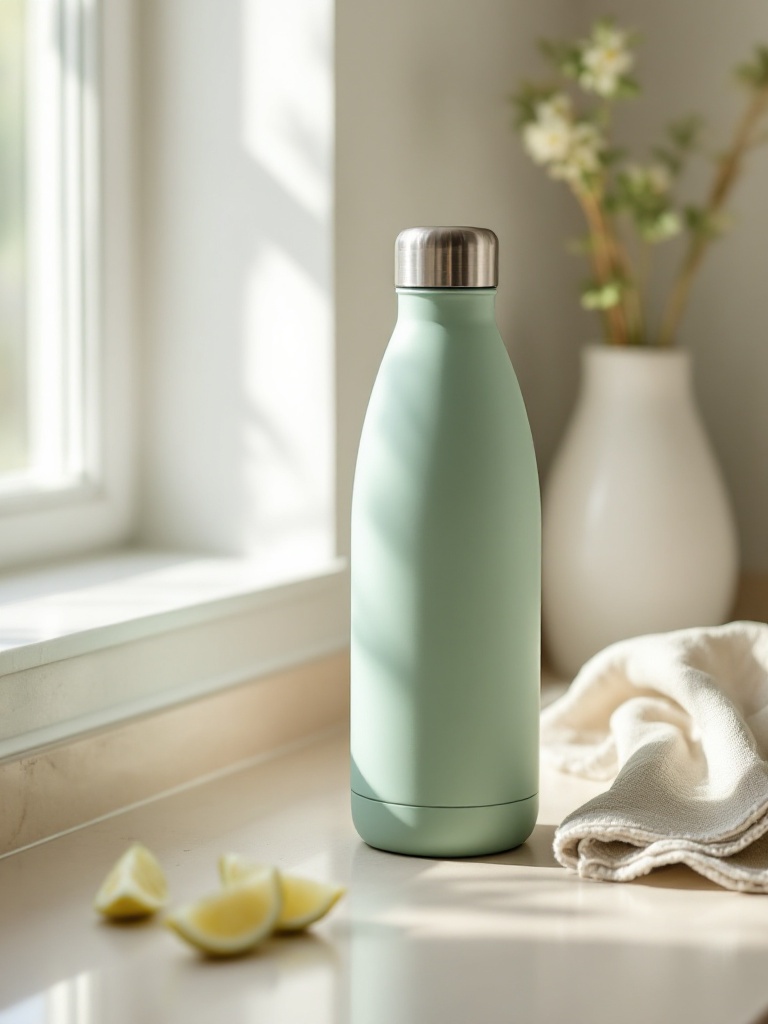
The daily-habit work - a bottle at the desk, a glass at meals - sets you up well throughout pregnancy. Daily hydration habits are particularly worth the effort during this season of life.
Frequently Asked
How much water should I drink during pregnancy?
Australian guidance suggests higher fluid intake than non-pregnant baseline. The exact number depends on your individual situation - your GP or midwife can tailor advice.
Can pregnant women use electrolyte products?
Discuss specific products with your pharmacist, GP, or midwife. Many general-purpose products are suitable; some sports-targeted products contain ingredients better avoided during pregnancy.
Is dehydration dangerous during pregnancy?
Mild dehydration causes the same symptoms as in non-pregnant adults (headache, flat energy). Significant dehydration is worth flagging to your maternity care provider.