What Counts As a Trace Mineral
Minerals the body needs in milligram or microgram quantities, as opposed to the gram-scale requirements for sodium and potassium. Zinc, copper, manganese, selenium, chromium and iodine are common examples. They are essential, and deficiency has real consequences.
Where They Come From
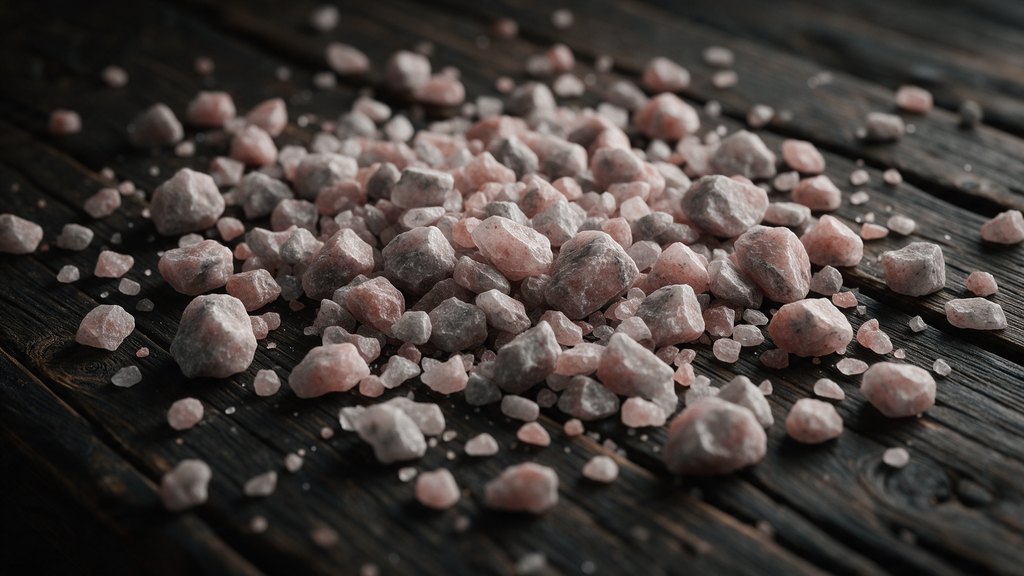
In products marketed on trace mineral content, they often arrive via an unrefined salt or a mineral concentrate rather than being added individually. That is why labels sometimes list a long tail of minerals without a quantity against each one.
The Quantity Question
This is the part worth checking. Where amounts are disclosed, they are frequently a small percentage of the recommended dietary intake. A mineral present at two per cent of your daily requirement is present, but it is not doing much, and describing the product as a source of it stretches the word.
Reading It Sensibly
Check the nutrition information panel for actual quantities rather than the ingredient list. If a mineral matters to you, compare the figure to the Australian recommended dietary intake. And a varied diet supplies these minerals for most people, which is the context any supplement claim should be read against.
Frequently Asked
Do I need trace minerals in a hydration product?
For most people, no. Ordinary diets supply them, and the amounts in these products are typically small.
Why do some labels list minerals without amounts?
They often come from an unrefined salt or mineral concentrate, where individual quantities are small and variable. Ingredient lists do not require quantities.
Is unrefined salt better than table salt?
The trace mineral content is higher but the quantities remain very small relative to daily needs. The main functional ingredient is sodium chloride in both cases.