What the Test Actually Reports
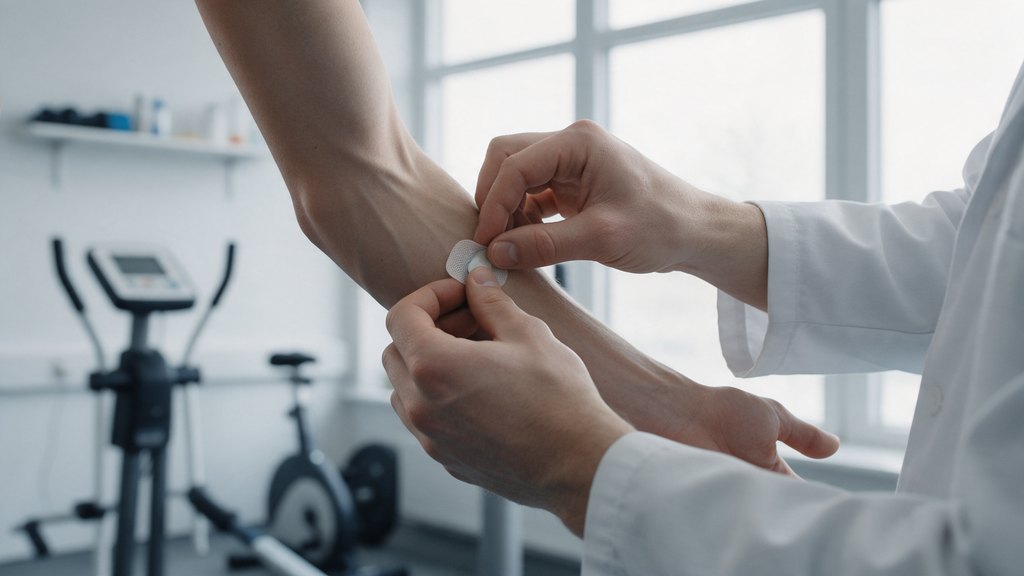
Most commercial sweat tests estimate the sodium concentration of your sweat, usually from a patch worn on the forearm or back during a controlled session. The output is a concentration figure. It is not a measure of how much you sweat, which is a separate quantity.
Why One Number Is a Snapshot
Sweat sodium concentration is fairly individual, but it is not fixed. It shifts with heat, with exercise intensity, with how acclimatised you are, and with the site on the body being sampled. A test done in one set of conditions describes those conditions.
The Free Test You Can Do Today
Weighing yourself before and after a session, in minimal clothing, and accounting for anything you drank, gives you an estimate of your sweat rate. For most people planning fluid intake, knowing roughly how much they lose per hour is more actionable than a sodium concentration.
Who It Is Genuinely Useful For
Athletes doing long events in heat, people who have had repeated problems with cramp or with very salty sweat residue, and those working with a sports dietitian who will actually act on the number. For someone training a few hours a week, the result is interesting rather than decisive.
Frequently Asked
Does a sweat test tell me how much to drink?
No. It estimates sodium concentration. How much to drink depends on your sweat rate, which a before-and-after weigh-in estimates more directly.
Are patch tests accurate?
Methods vary in reliability, and results differ by body site and conditions. Treat a single figure as an estimate rather than a fixed personal constant.
Do I need one?
Most recreational athletes don't. It is most useful for long efforts in heat, or where a professional is guiding a specific plan.
