Two Bottles, Two Roles
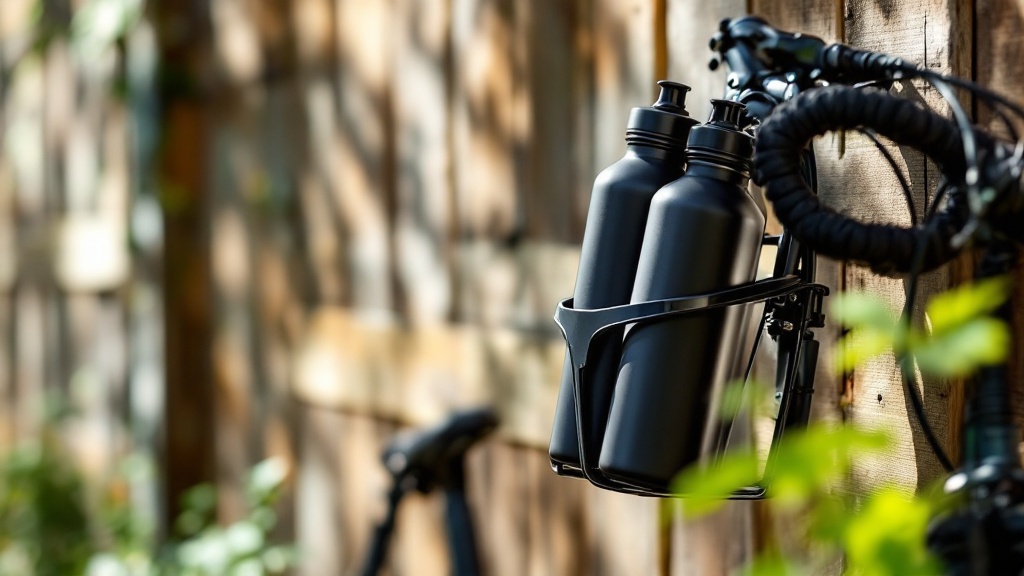
Most cyclists ride with two bottles on the bike. A common pattern is one bottle of carbohydrate + electrolyte (the "fuel" bottle) and one bottle of plain water or a lower-carb electrolyte (the "hydration" bottle). This lets you fuel without forcing every sip to be sugary, and it gives you plain water for the bottle-on-the-head moments in summer.
Why Carbs in the Bottle Are Practical
Cycling tolerates fluid delivery very well - your stomach isn't bouncing - so the body of research on in-session carbohydrate fuelling skews heavily toward cyclists. A 600 ml bottle of Gatorade or SiS GO Energy drunk across an hour delivers 30+ g of carbohydrate, which is the lower end of the ACSM recommendation for moderate-to-hard sessions.
Brand Options on the Bike
Supermarket sports drinks (Gatorade, Powerade) work fine for shorter rides. Tablet brands (Nuun, SiS GO Hydro) are easy to carry - drop a tablet into a bottle of water at the café. Endurance-specialty powders (SiS Beta Fuel) target the high-carb end for longer events. Australian standbys (Staminade, Endura) are popular among club cyclists.
Race Day vs Training
Many cyclists train with a leaner setup (one bottle electrolyte, one water) and race with a higher-carb load. The general principle is to train your gut for the dosing strategy you'll race with - don't introduce a new product on event morning.
After the Ride
Once you're off the bike, the priorities shift to rehydration and recovery. Post-Workout Hydration covers that.
Frequently Asked
What do pro cyclists drink during races?
Most pro teams use custom or branded sports drink mixes plus gels and solid food. The general profile is carbohydrate + electrolytes at concentrations the rider has trained with.
How much fluid should I drink on a long ride?
Common guidance is 500-750 ml per hour in mild conditions, going higher in heat. Match to your sweat rate, not the bottle schedule.
Can I just drink water on a 3-hour ride?
You can but the gut tolerates higher fluid intakes when there's some sodium and carbohydrate alongside. Plain water for 3+ hours often leaves cyclists feeling underdone.