What Is Actually Being Measured
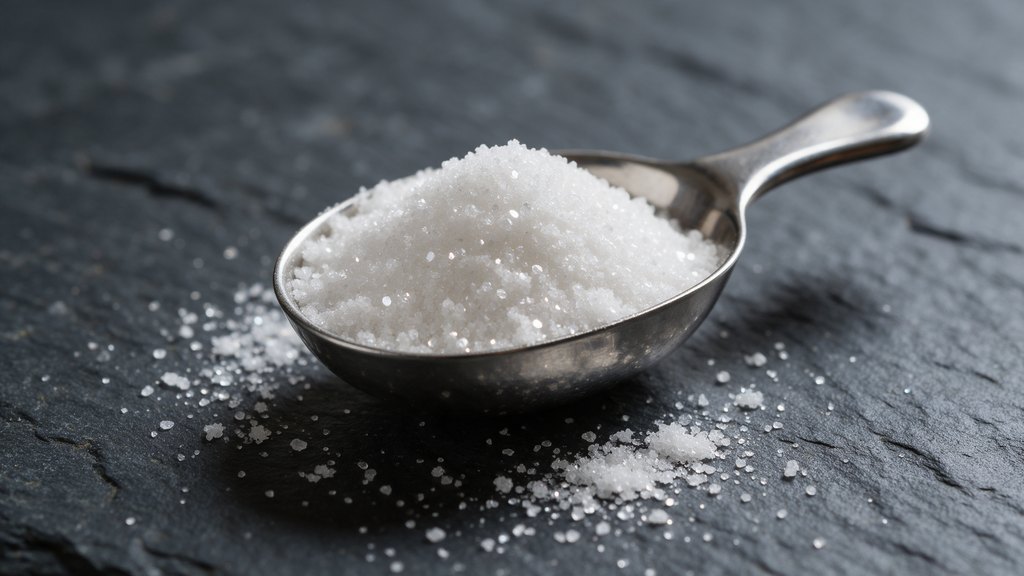
Osmolality counts dissolved particles per kilogram of water. It does not care whether those particles are sodium ions, glucose molecules or something else, only how many there are. That is why a drink can be low in sugar by weight and still carry a meaningful osmolality.
The Reference Point Is You
Blood plasma sits in a narrow band, roughly 275 to 295 mOsm/kg. Drinks get described against it. Below that band is hypotonic, around it is isotonic, above it is hypertonic. The labels are relative to human physiology rather than to each other.
Why It Affects Absorption
Fluid moves across the gut wall by osmosis, from lower concentration to higher. A hypotonic drink sets up a gradient that favours moving water into the body relatively quickly. A hypertonic one can briefly draw water the other way, into the gut, which is part of why very concentrated drinks can feel heavy during hard exercise.
Reading It On a Label
Australian nutrition information panels do not list osmolality, so you will usually only see it in a brand's own technical material. Carbohydrate concentration is a reasonable proxy: as a rough guide, drinks around four to five per cent carbohydrate tend to sit near isotonic, and lower concentrations trend hypotonic.
Frequently Asked
Is hypotonic always better?
No. Hypotonic favours fast fluid delivery, isotonic carries more carbohydrate for fuelling. Which is better depends on whether you mainly need fluid or energy.
Is osmolality on Australian labels?
Not on the nutrition information panel. Some brands publish it in technical documentation, but it is not a required disclosure.
Does adding more powder change osmolality?
Yes. Mixing a sachet into less water than directed raises the concentration and pushes the drink toward hypertonic, which can slow gastric emptying.