What Cold Immersion Is For
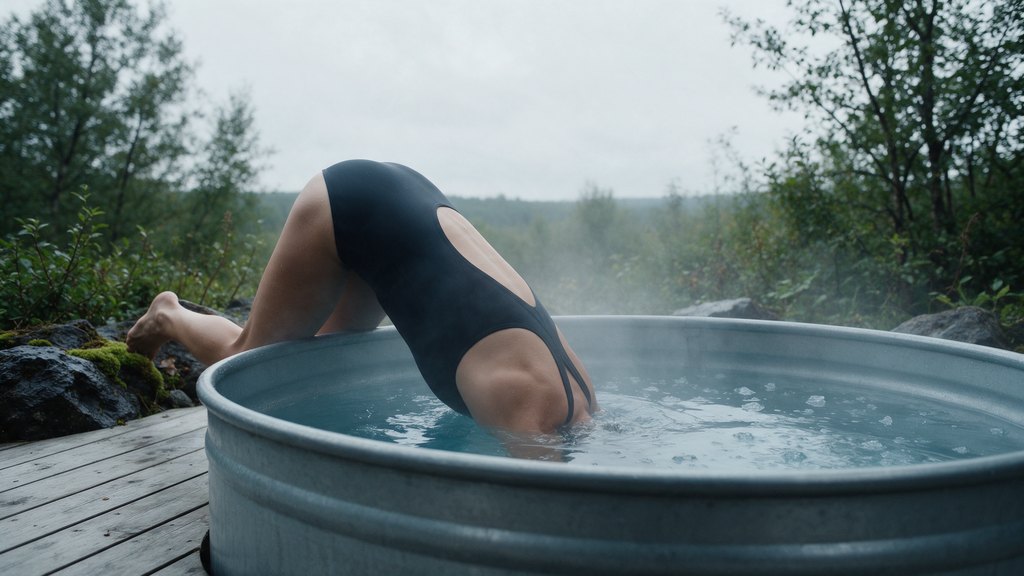
Cold water immersion is generally used to reduce perceived soreness and help people feel recovered between sessions. Whatever you make of the evidence on adaptation, none of its proposed mechanisms involve replacing the fluid and sodium lost in the session beforehand.
The Thirst Problem
Cold exposure tends to reduce the sensation of thirst. Combined with sitting in water, which does nothing to remind you that you are still down on fluid, it is easy to finish a plunge feeling recovered while remaining meaningfully dehydrated.
Order of Operations
There is no strong reason the plunge has to come first. Drinking to your usual post-session plan before getting in avoids relying on a thirst signal that cold has just turned down. If you would rather get in straight away, set the intention to drink afterwards rather than leaving it to how you feel.
Keeping It In Proportion
Cold immersion is a comfort and perceived-recovery tool. Fluid and sodium replacement is a separate task with its own logic. Treating them as one thing is how people end up well plunged and poorly rehydrated.
Frequently Asked
Does an ice bath dehydrate you?
Not directly in any meaningful way. The issue is that cold blunts thirst, so it can lead to drinking less than you otherwise would.
Should I drink before or after a plunge?
Either works. Before is simpler, because it does not depend on a thirst cue that cold exposure has just suppressed.
Does cold immersion help recovery?
Evidence is mixed and depends on the goal. It reliably reduces perceived soreness for many people; effects on adaptation are debated.