Why Boxing Drives Sweat Rates
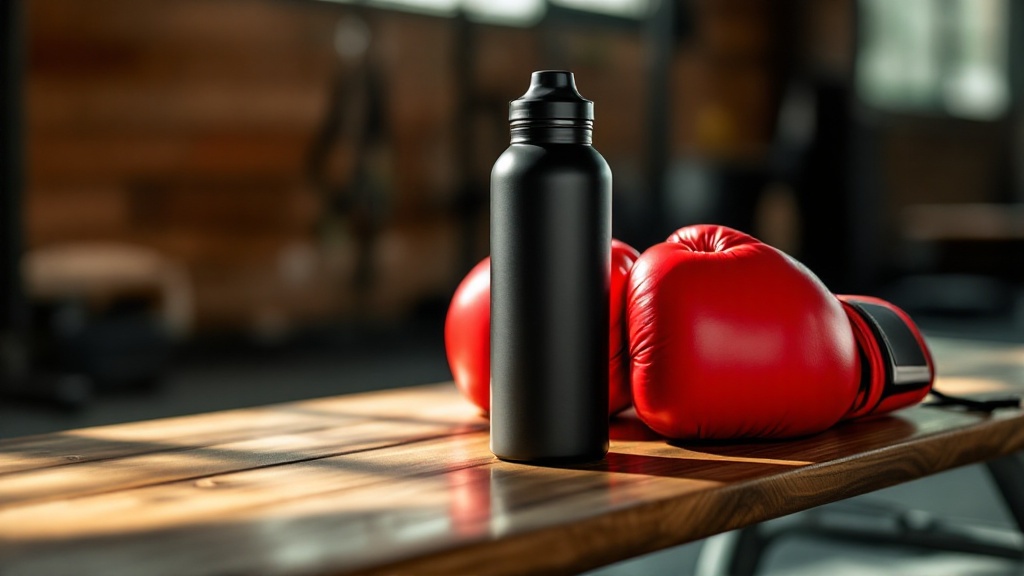
A 90-minute boxing session in a typical Australian boxing gym - bag rounds, pad work, sparring, conditioning - produces some of the highest sweat rates of any indoor training. The combination of high heart rates, full-body intensity, heavy gear, and often-poor gym ventilation pushes sweat losses well above what equivalent gym-cardio time generates.
Round Rests Aren't Long
Boxing's structure of 3-minute rounds and 1-minute rests gives short hydration windows. Most boxers take small sips between rounds rather than full bottles - too much fluid mid-round and you'll be sloshing in the next.
What to Carry
A 1-litre bottle of water plus a small bottle of an electrolyte drink covers most sessions. For sparring days or longer conditioning blocks, a sodium-containing product (Staminade, Endura, Nuun) earns its place.
Cutting Weight
Weight-cutting is its own conversation that goes well beyond casual hydration - it involves manipulation of fluid, glycogen, and sodium intake in the days before a weigh-in, and is best done under coaching guidance. For training-only boxers (no fight on the calendar), you don't need to think about cuts.
After the Session
Post-session is the recovery window. Sodium-containing fluid plus food in the next hour. For evening sessions, finish hydration in the 1-2 hours after rather than slamming right before bed. Hydration and Sleep covers the overnight balance.
Frequently Asked
How much fluid do boxers lose in training?
Heavy 90-minute sessions can produce sweat losses of 1-2 litres, particularly in poorly-ventilated boxing gyms during summer.
Do boxers drink sports drinks?
For training sessions, water plus optional electrolytes between rounds covers most contexts. Weight-cutting protocols (pre-fight) are different and require coaching.
What's the best drink for boxing training?
A 1 L bottle of water plus a small bottle of electrolyte mix covers most sessions. For sparring days or longer conditioning blocks, a sodium-containing drink earns its place.